Make Recovery
Safer at Home
The all-in-one app that helps stroke survivors and caregivers prevent risks, take action, and track progress together.
Download on the
App Store
Get it on
Google Play
Developed beside Clinical Advisors & Caregiver Specialists.
Safer Homes
Identify and resolve critical fall hazards before they cause injuries.
Guided Actions
Turn overwhelming home updates into a simple, bite-sized routine.
Caregiver Support
Coordinate updates, tasks, and safety lists with your care circle.
Track Progress
See your risk scores drop as modifications are completed.
— SEE THE APP IN ACTION —
Simple steps to a secure recovery
Scan Your Home
Map your rooms and find hidden risks.
Get Recommendations
Personalized shopping list based on your plan.
Recommended
Grab Bar - 16"
Bathroom
Shower Chair
Bathroom
Non-Slip Bath Mat
Bathroom
Follow Your Plan
Step-by-step actions that keep you on track.
Track Your Progress
Watch your home become safer.
Tasks Done
18
Progress
72%
— CLINICAL DATA & EVIDENCE —
Real data. Vital protection.
Every home safety recommendation is mathematically modeled to minimize risks and prevent rehospitalization.
90-Day Cumulative Fall Risk
of survivors experience a home fall within 180 days post-discharge.
of all indoor slips and balance losses occur on slick wet surfaces.
falls cause severe orthopedic injuries or neurological trauma.
average acute healthcare cost of single readmission fall injury.
Clinical Research Verdict
Survivors taking guided, preventative precautions reduce rehospitalization fall risk by 63%.
★ INTERACTIVE VISUAL EXPLORER ★
See how the AI detects home hazards
Select a room below and explore the photorealistic scans. Hover or tap the glowing hotspots to read expert clinical assessments.
Bathroom Scan
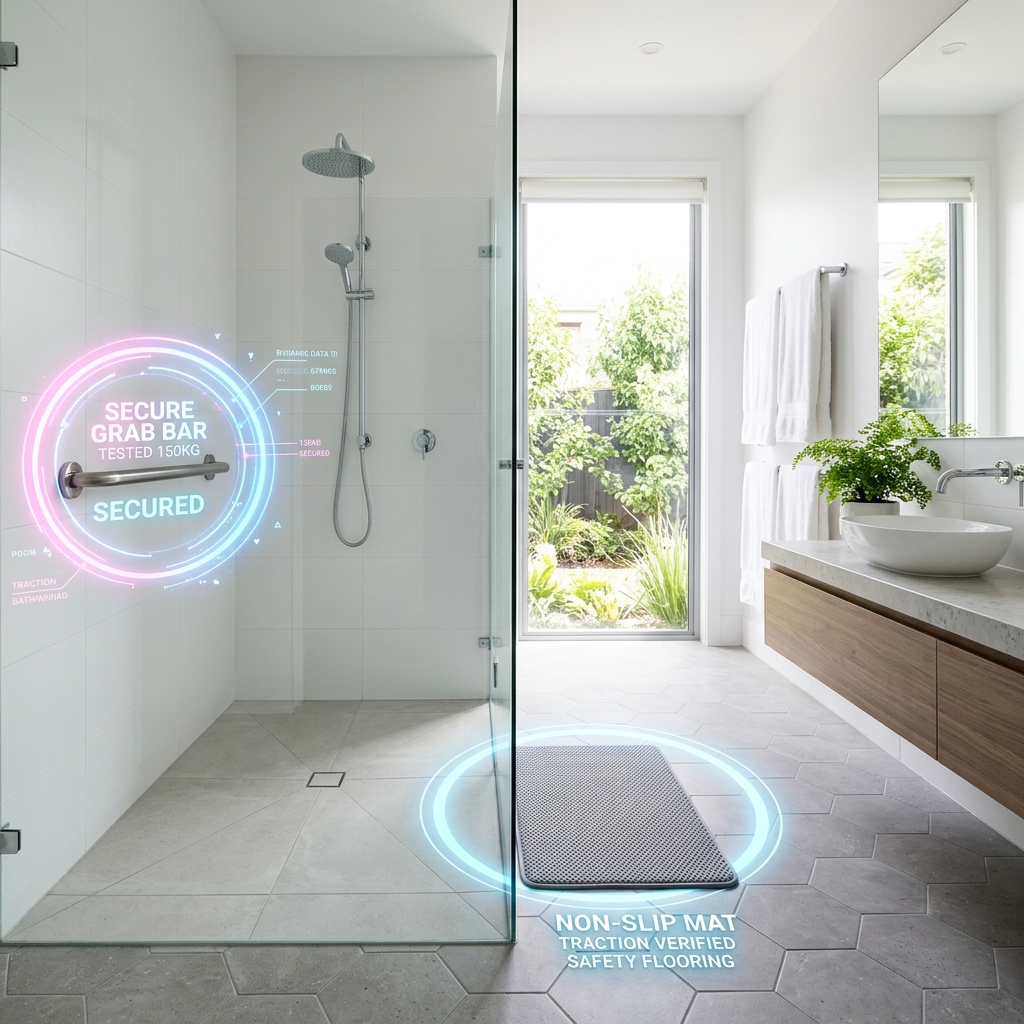
The wet environment makes the bathroom the highest risk room in the home, accounting for over 70% of post-stroke slips.
Hover or tap the glowing red dots inside the scan room to explore specific hazard details.
Built for recovery at home
Know what matters first
Our smart risk scanner immediately highlights the highest priorities to keep home setups secure.
Keep care teams aligned
Share home checklists, track modifications, and stay coordinated with family and therapists.
Turn safety into routine
Intelligent reminders and custom scores build lasting protection habits during recovery.
Your Home
Weekly Safety Check
+8
points
Design a home
that helps you heal
From simple grab bars to balanced smart lighting, HomeStroke indicates exactly which home modifications provide the highest impact.
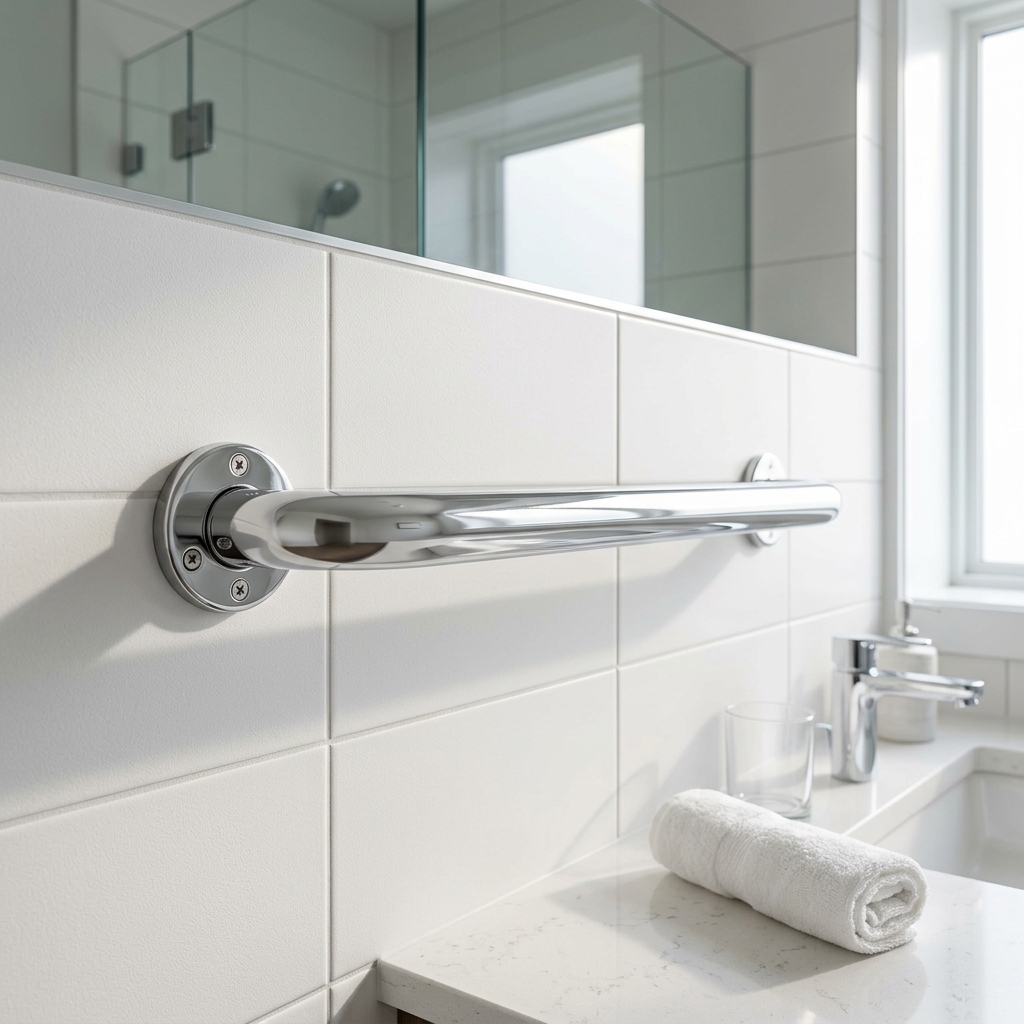
Fall Prevention
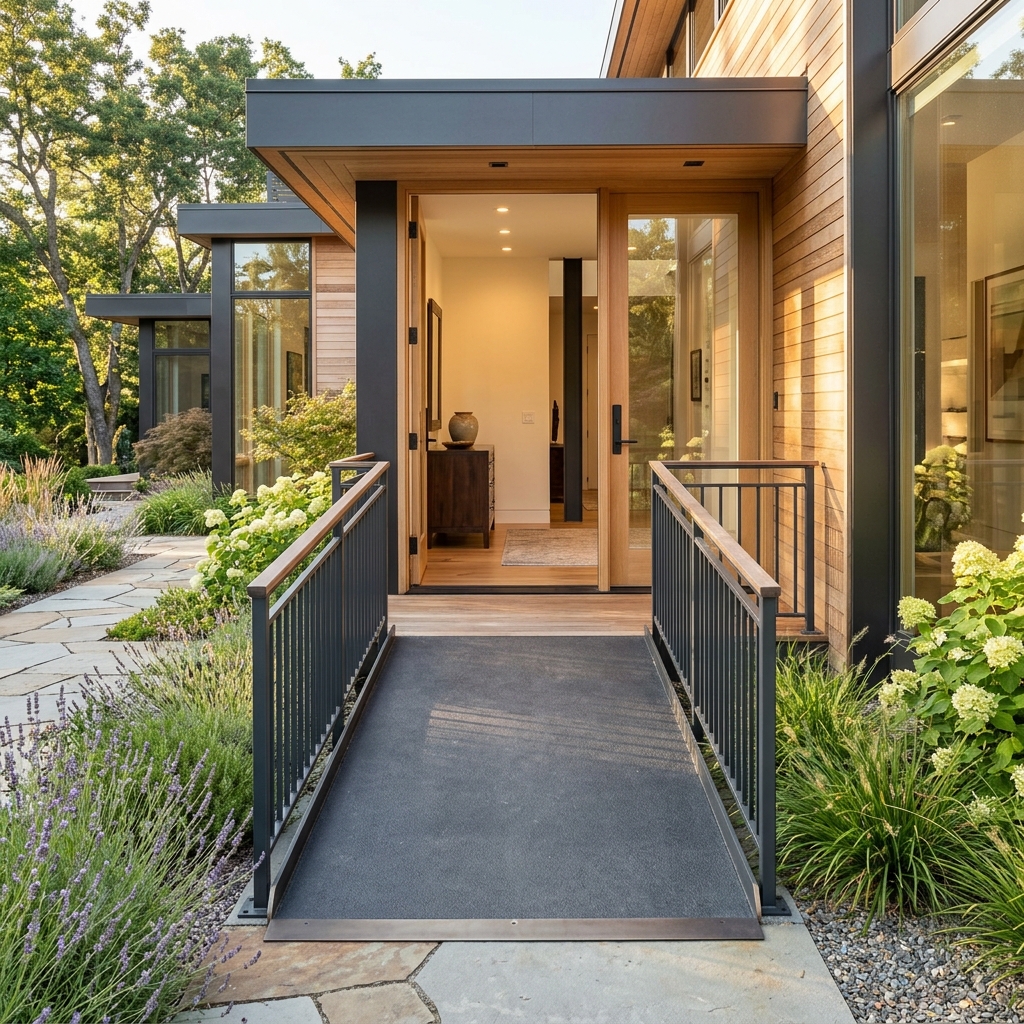
Better Mobility
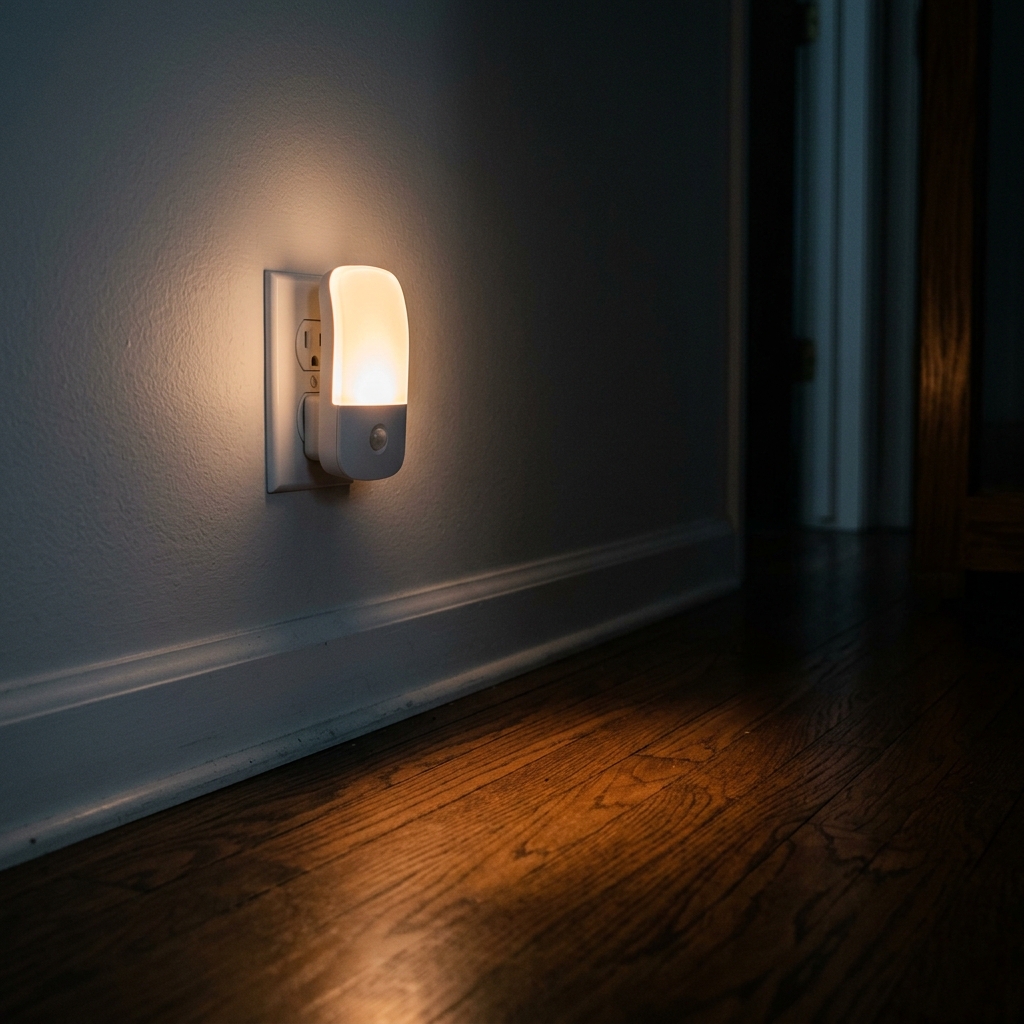
Easy Upgrades
Peace of Mind
★ Room-by-room guide: Where falls happen ★
Targeting risk room by room
Bathroom
80% of falls
Secure grab bars, non-slip mats, and raised toilet seating.
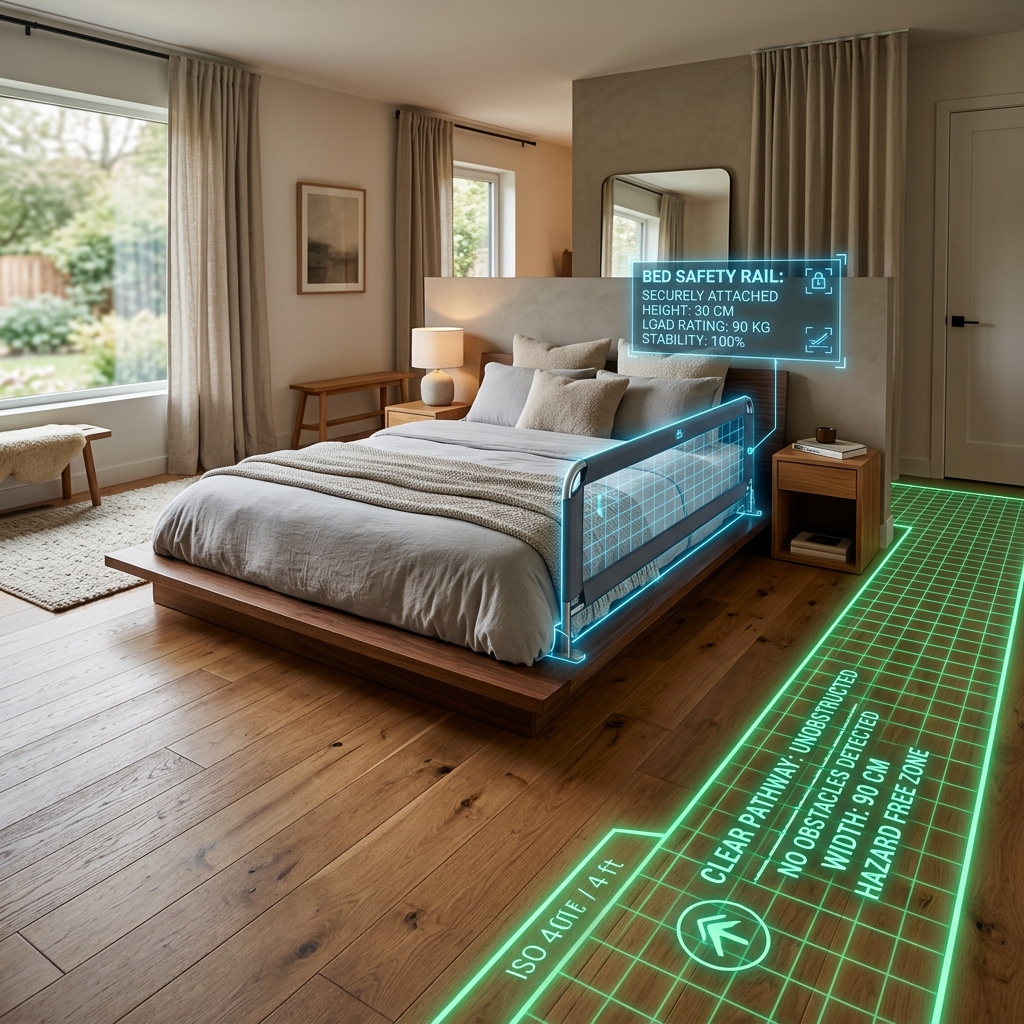
Bedroom
Frequent falls
Bed rails, automatic night lights, and clear floor walkways.
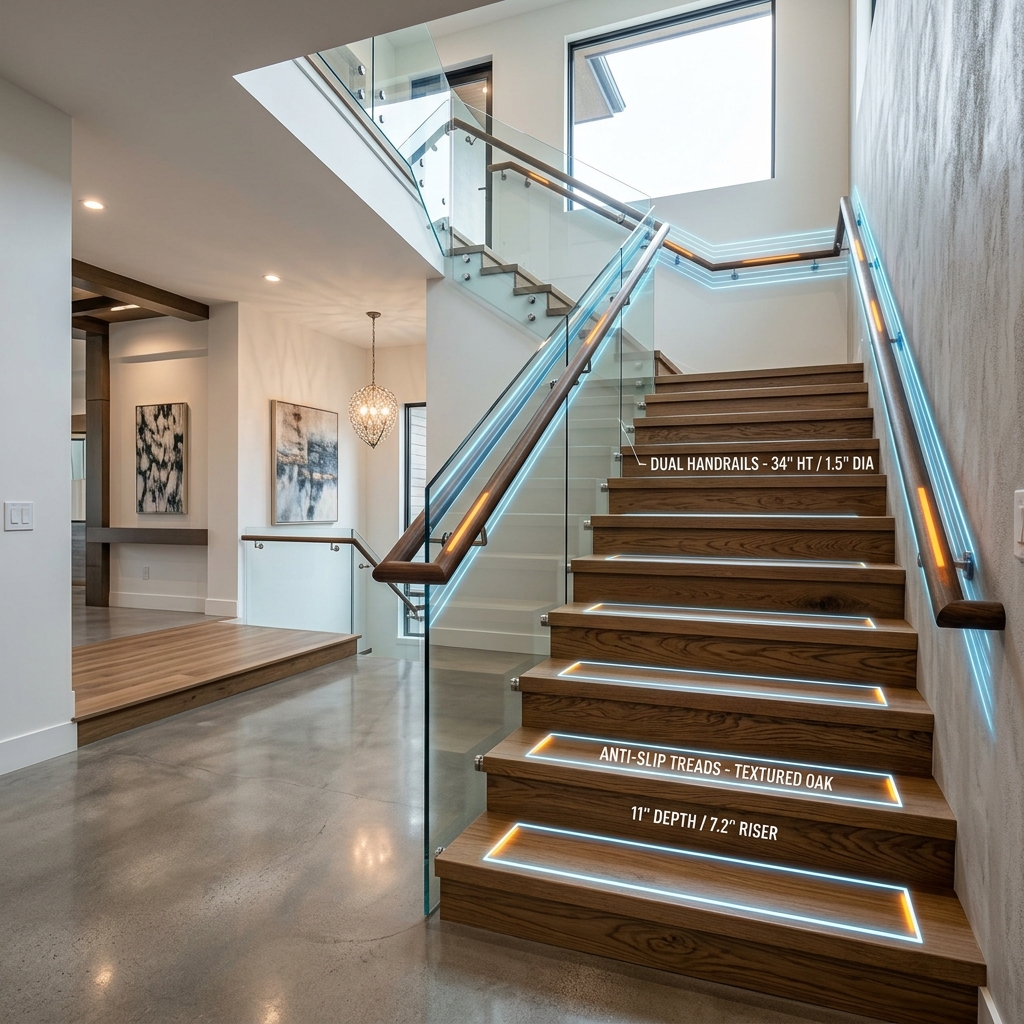
Stairway
High risk rating
Double handrails, high-contrast tape, and non-slip treads.
Kitchen
Reaching hazards
Waist-high cabinet layouts and non-slip floor prep mats.
Living Area
Stable seating
Higher firm seating, tucked cords, and wider clear walkways.
Entryway
Threshold steps
Ramps, motion lighting, and secure entryway support railings.
Modification Cost & Timeline
Under $100
Setup window: Immediate
Night lights, non-slip mats, clear pathways.
$100–$500
Setup window: 1–3 Weeks
ADA grab bars, secure shower chairs, double rails.
$500–$5K
Setup window: 1–4 Weeks
Slip-resistant flooring, smart automated lighting.
$5K–$25K
Setup window: 1–3 Months
Threshold ramps, roll-in showers, lower counters.
* Costs are generalized clinical estimates and may scale based on structural specifics.
Action Checklist
- ✓
Install heavy-duty bathroom grab bars and shower chairs.
Status: Critical - ✓
Clear pathways from bed to bath of all thresholds.
Status: Critical - ✓
Set up the HomeStroke app to register primary caregivers.
Status: Setup - ✓
Deploy motion-sensitive LED lights in corridors.
Status: High Priority
Home Safety Impact
Home Safety Score Shift
Survivors who completed same-day safety fixes and chose them before discharge reduced their 30-day fall rates by 63%.
Clinical resource: Journal of Stroke Rehabilitation Research.
Frequently Asked Questions
Everything you need to know about making home spaces secure for a strong recovery.
Start by focusing on high-risk areas like the bathroom, entryways, and stairways. Install robust grab bars, ensure pathways are clear of cables or loose rugs, improve lighting with automated night lights, and place frequently used kitchen items within easy waist-high reach.
The highest priority upgrades include shower seating, grab bars in tubs/showers, stable stair rails on both sides, automatic hallways/bathroom night lights, non-slip mat backing, and secure support structures at entryway threshold steps.
Same-day changes like removing tripping hazards and installing night lights reduce risks instantly. More technical changes (grab bars and rails) typically take 1–3 weeks but provide vital long-term clinical safety advantages.
Absolutely. HomeStroke is designed for independent stroke survivors as well as those collaborating with family members, professional caregivers, or rehabilitation therapists.
Simple fixes (night lights, non-slip adhesives) cost under $100. Standard installations (grab bars, shower chairs) range from $100–$500. Major accessible remodels run higher but high-impact priority fixes remain very cost-effective.
Medicare Part B does not directly pay for home construction modifications, but it does cover some Durable Medical Equipment (DME) like patient lifts. Certain Medicare Advantage plans or long-term care insurance policies also provide home safety equipment allowances.
You can easily export your dashboard home scan report or checklist progress directly as a PDF from the app to share with family caregivers, primary doctors, or physical/occupational therapists.